


The great explorer of the truth, the master-builder of human happiness no one rejects dislikes avoids pleasure itself because it is pleasure but because know who do not those how to pursue pleasures rationally encounter consequences that are extremely painful desires to obtain.
Read More
Quantitative Motion Data for Confident Surgical Decisions
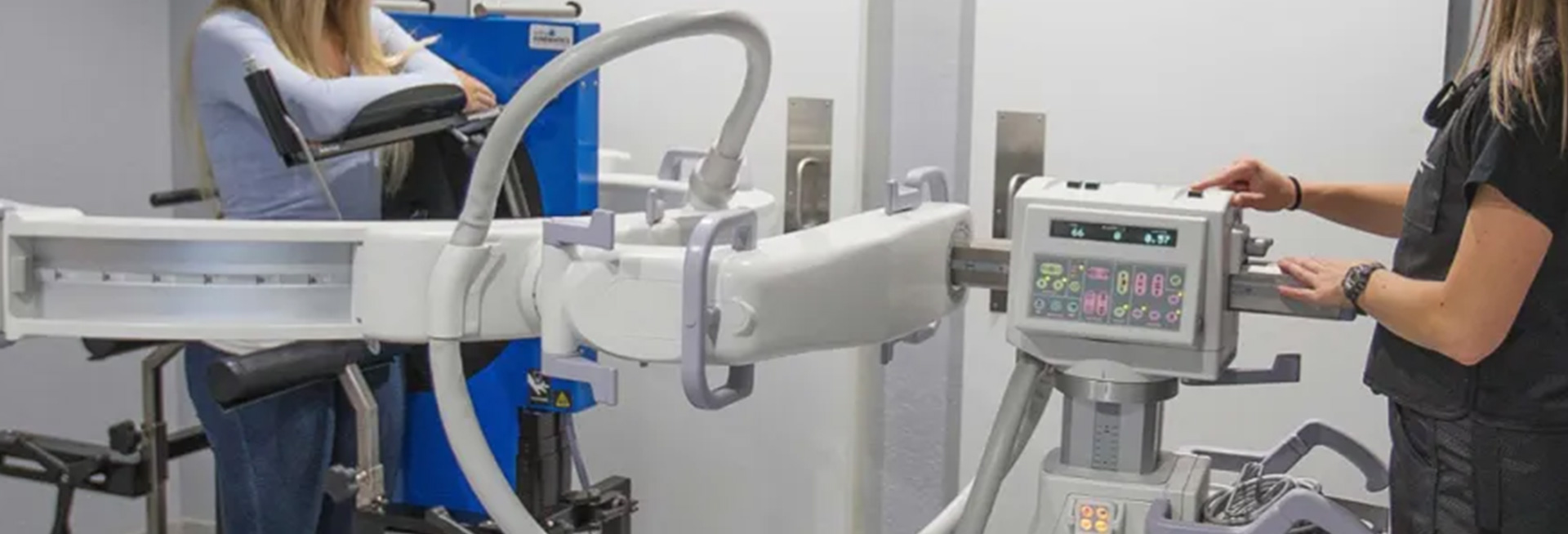
If you’ve been told “everything looks normal” yet still feel pain, it may be because traditional X-rays only show your spine at rest. Vertebral Motion Analysis (VMA) captures your spine in motion, helping your doctor identify areas that static images may miss.
A Modern Tool for an Old Problem
Manual measurements and patient guarding have long limited flexion/extension studies. VMA replaces those variables with precise, device-assisted motion and automated analysis
Clinical Benefits
Detects instability with Level I evidence validation.
Delivers reproducible quantitative data for pre and post-operative assessment.
Reduces interpretation time—automated metrics speed radiology reads by up to one-third.
Generates sagittal alignment parameters automatically (pelvic incidence, lordosis, tilt, slope).